

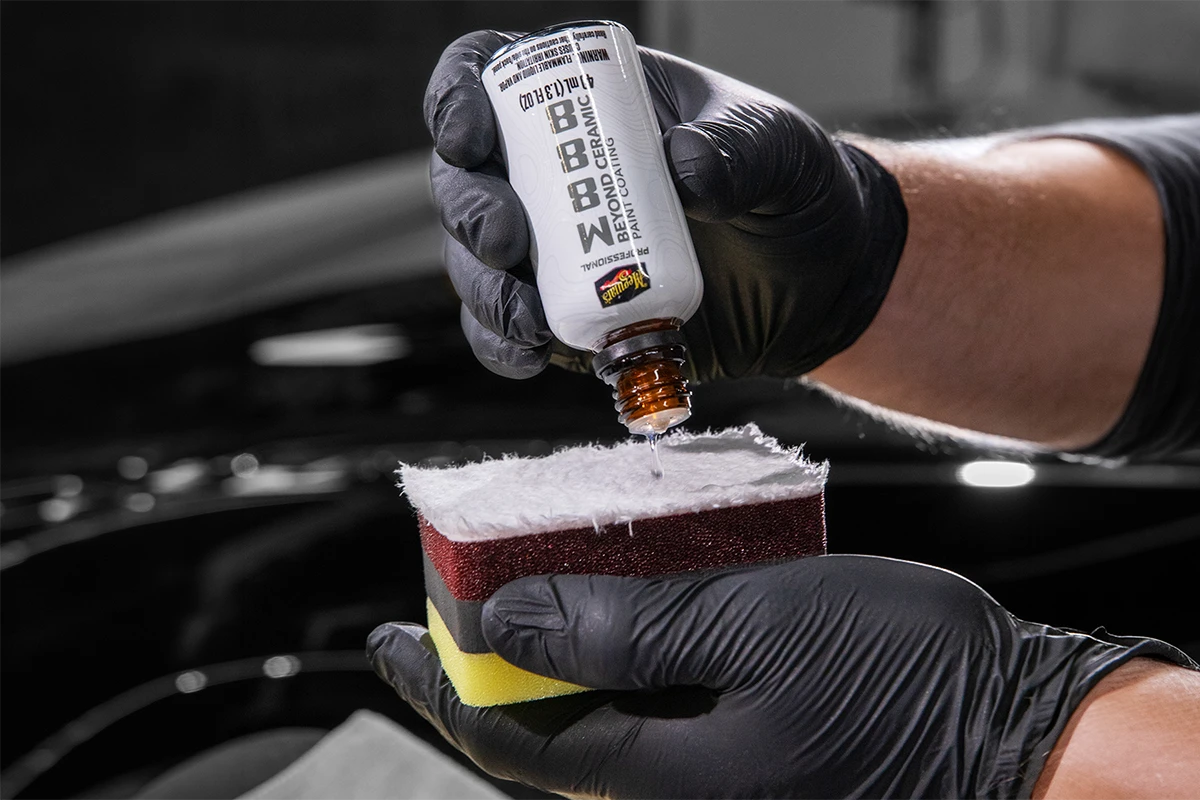
Protective surface coatings are becoming increasingly common on fibreglass and composite RV panels throughout Australia. Many coating suppliers promote their products as providing long-term UV protection, gloss retention, and improved resistance to gelcoat oxidation.
For caravan manufacturers and owners in Australia, these claims can be appealing. Australia’s harsh climate exposes RV panels to intense UV exposure, elevated temperatures, coastal conditions, and prolonged outdoor storage, all of which can contribute to surface deterioration over time.
However, when a coating supplier claims its system can protect against gelcoat oxidation, surface cracking, weathering, or premature deterioration, an important question arises:
Who is responsible if the gelcoat surface fails?
In many situations, responsibility may follow the party controlling the maintenance regime.
This article explains how protective surface coatings can affect gelcoat performance, coating adhesion, maintenance requirements, warranty responsibility, and long-term durability.
- Who is Responsible if the Gelcoat Surface Later Deteriorates?
- Understanding What Gelcoat is and Why Maintenance Matters
- How UV Exposure Affects Gelcoat Surfaces
- The Growing Trend of Protective Coating Systems
- When Gelcoat Maintenance Instructions Conflict
- Gelcoat Surface Responsibility: Who Owns the Risk?
- Why Responsibility Should Follow Control
- Questions RV Owners Should Ask Coating Suppliers
- Answering Your Gelcoat Repair and Maintenance Questions
- Warranty Responsibility Must Follow Maintenance Responsibility
- Looking for Fibreglass and Composite RV Panel Solutions?
Who is Responsible if the Gelcoat Surface Later Deteriorates?
This question becomes particularly relevant where the coating supplier’s care and maintenance recommendations differ from those provided by the original fibreglass sheet manufacturer.
As suppliers of fibreglass sheet products, we believe this issue deserves greater attention within the Australian recreational vehicle industry.
If a fibreglass sheet is supplied with an acceptable gelcoat surface and documented care and maintenance recommendations, those recommendations form part of the basis for the product’s long-term performance.
However, when a third-party coating supplier applies a coating system over that gelcoat surface and provides alternative maintenance instructions, the responsibility framework can become unclear.
In our view, if a protective coating supplier:
- Applies a coating over an acceptable gelcoat surface
- Promotes UV protection and long-term surface preservation
- Provides its own care and maintenance requirements
- Encourages owners to rely on those requirements
Then, if the buyer doesn’t follow the original fibreglass sheet manufacturer’s maintenance recommendations, the responsibility for future gelcoat deterioration caused by UV exposure, oxidation, chalking, gloss loss, or weathering should rest with the coating supplier.
This is because the original fibreglass sheet supplier shouldn’t be expected to warrant the gelcoat’s long-term performance when the surface hasn’t been maintained in accordance with the manufacturer’s published recommendations.
Understanding What Gelcoat is and Why Maintenance Matters
Gelcoat is the outer protective layer applied to high-quality fibreglass RV panels. It performs several critical functions, including:
- Providing colour and finish
- Protecting the laminate beneath
- Contributing to weather resistance
- Helping to resist moisture ingress
- Providing UV resistance
- Delivering long-term aesthetic appearance
Common types of gelcoat failure
Like any exposed exterior surface, gelcoat is subject to natural weathering. Over time, UV exposure, environmental contaminants, moisture, salt spray, dirt accumulation, and inadequate maintenance can contribute to various forms of surface deterioration.
Common types of gelcoat failure include:
- Gelcoat oxidation: A gradual breakdown of the outer gelcoat surface caused by prolonged exposure to sunlight and environmental conditions. This often results in surface chalking, fading, and loss of gloss.
- Surface cracking: Fine cracks or crazing that may develop due to environmental stress, ageing, impact damage, or movement within the structure.
For this reason, reputable fibreglass sheet manufacturers provide care and maintenance recommendations designed to maximise the gelcoat surface’s service life.
These recommendations are not optional suggestions: They form part of the expected maintenance regime under which the product has been designed and tested to perform.
How UV Exposure Affects Gelcoat Surfaces
Australia experiences some of the highest UV levels in the world. Over time, UV exposure can gradually break down the resin components within the gelcoat surface, contributing to oxidation, colour fade, gloss loss, and surface deterioration.
While many protective surface coatings claim to reduce the effects of UV exposure, long-term performance depends on the coating formulation, application quality, ongoing maintenance, and environmental conditions.
This is why understanding both the coating warranty and the original gelcoat manufacturer’s maintenance recommendations is essential.
The Growing Trend of Protective Coating Systems
Protective coating suppliers commonly market their products to reduce the maintenance burden associated with gelcoat surfaces.
Common claims include:
- Superior UV protection
- Long-term gloss retention
- Easier cleaning
- Reduced washing requirements
- Protection from oxidation
- Protection from chalking
- Lifetime warranties
- Long-term surface preservation
These claims can be attractive to both RV manufacturers and consumers.
However, the critical issue is not whether a coating can provide benefits: It’s whether the coating supplier accepts responsibility when those benefits do not materialise under real-world conditions.
Before selecting a coating system, RV owners and manufacturers should consider whether the coating has been tested specifically for use on fibreglass gelcoat surfaces. Not all coating systems are designed for the same substrates, environmental conditions, or maintenance regimes.
Questions surrounding coating adhesion, long-term UV resistance, warranty support, and compatibility with the underlying gelcoat should be addressed before a coating is applied.
When Gelcoat Maintenance Instructions Conflict
One of the most significant challenges arises when the supplier’s maintenance requirements differ from those of the fibreglass sheet manufacturer.
For example, the fibreglass sheet supplier may recommend:
- Regular washing
- Periodic inspection
- Approved cleaning products
- Ongoing preventative maintenance
While the coating supplier suggests:
- Significantly reduced maintenance
- Less frequent cleaning
- Alternative maintenance procedures
Once this occurs, the coating supplier has effectively altered the maintenance regime that the gelcoat surface was originally intended for.
This creates a fundamental warranty question:
If the gelcoat surface then deteriorates, who is responsible?
The fibreglass sheet supplier may reasonably argue that the published maintenance requirements were not followed. The coating supplier may argue that the underlying gelcoat failed. Meanwhile, the caravan manufacturer or owner can become caught between two competing warranty positions.
Gelcoat Surface Responsibility: Who Owns the Risk?
Warranty disputes can become particularly complex when multiple parties are involved in the manufacture, coating, and maintenance of an RV panel system. The table below provides a simplified overview of how responsibility may be viewed in common scenarios.
| Scenario | Likely responsible |
|---|---|
| Owner follows original gelcoat maintenance recommendations | Subject to original product warranty terms |
| Coating supplier provides alternative maintenance requirements | Responsibility may shift toward coating supplier |
| Coating supplier promotes UV protection and reduced maintenance | Coating supplier may be expected to support those claims |
| Surface deterioration occurs after coating application | Warranty responsibility may depend on maintenance compliance and coating warranty conditions |
| Coating adhesion failure occurs | Typically investigated under coating supplier warranty provisions |
Why Responsibility Should Follow Control
The principle should be straightforward. If a company takes control of the maintenance recommendations for a surface, it should also accept responsibility for the outcome.
When a coating supplier applies a coating over a gelcoat surface, provides alternative maintenance instructions, or promotes UV protection, gloss retention, or reduced maintenance, it is no longer simply selling a coating.
It is effectively assuming responsibility for the long-term performance of the surface protection system.
In these circumstances, it is difficult to justify transferring responsibility back to the fibreglass sheet supplier if the gelcoat surface later suffers from UV degradation, oxidation, chalking, gloss loss, colour fade, or weather-related deterioration. This is particularly true where the owner’s maintenance practices have followed the coating supplier’s instructions rather than the fibreglass sheet manufacturer’s recommendations.
Questions RV Owners Should Ask Coating Suppliers
Before approving any protective coating system, RV owners should request clear written answers to the following questions:
- Has the coating been tested specifically on fibreglass gelcoat RV panels?
- Has compatibility been verified with the gelcoat system being coated?
- Does the coating supplier accept responsibility for UV-related gelcoat deterioration?
- Does the coating supplier’s maintenance regime replace the fibreglass sheet supplier’s recommendations?
- Will the coating supplier provide written warranty support for gloss retention and surface protection?
- What exclusions apply?
- What independent testing supports the warranty claims?
- Who determines whether a failure is coating-related or gelcoat-related?
These questions help establish accountability before problems occur.
Answering Your Gelcoat Repair and Maintenance Questions
Gelcoat oxidation occurs when prolonged UV exposure and environmental weathering break down the gelcoat’s outer surface. This can result in chalking, fading, loss of gloss, and a dull appearance.
Protective surface coatings may help reduce the effects of UV exposure and environmental weathering when properly selected and maintained. However, performance depends on the coating system, application quality, maintenance regime, and compatibility with the underlying gelcoat.
Coating adhesion failure can occur when a coating does not properly bond to the gelcoat surface or when environmental, maintenance, or compatibility issues affect long-term performance.
Many forms of gelcoat damage, including minor surface cracking, oxidation, and cosmetic defects, may be repairable. Appropriate gelcoat repair methods depend on the nature and severity of the damage. Determining the cause of the damage is often the first step in identifying the most appropriate repair approach.
Responsibility may depend on the warranty terms, maintenance requirements, product specifications, and whether the owner’s maintenance practices followed the original manufacturer’s recommendations or those provided by the coating supplier.
Warranty Responsibility Must Follow Maintenance Responsibility
Protective coatings may provide benefits when properly selected, tested, applied, and maintained. However, the Australian RV industry should be cautious when coating suppliers promote lifetime protection or significantly reduced maintenance requirements for gelcoat surfaces.
If a coating supplier changes the maintenance regime for a fibreglass gelcoat surface and encourages owners to rely on that new regime, responsibility for the long-term outcome should follow that decision.
The principle is simple:
If the coating supplier controls the maintenance instructions, they should also stand behind the surface’s long-term performance.
Otherwise, fibreglass sheet suppliers may be unfairly exposed to warranty claims for products not maintained in accordance with their published recommendations.
Looking for Fibreglass and Composite RV Panel Solutions?
While protective surface coatings may offer genuine benefits, warranty responsibility should remain aligned with the maintenance regime being promoted.
Where coating suppliers encourage owners to depart from the original manufacturer’s maintenance recommendations, clear accountability becomes increasingly important.
Understanding these responsibilities before a coating is applied can help manufacturers, owners, and suppliers avoid disputes later in the product’s life.
At Liner, we supply high-quality fibreglass and composite RV panel materials designed for long-term durability, weather resistance, and performance in Australian conditions. Contact our team to discuss the right solution for your application.